
.jpg)
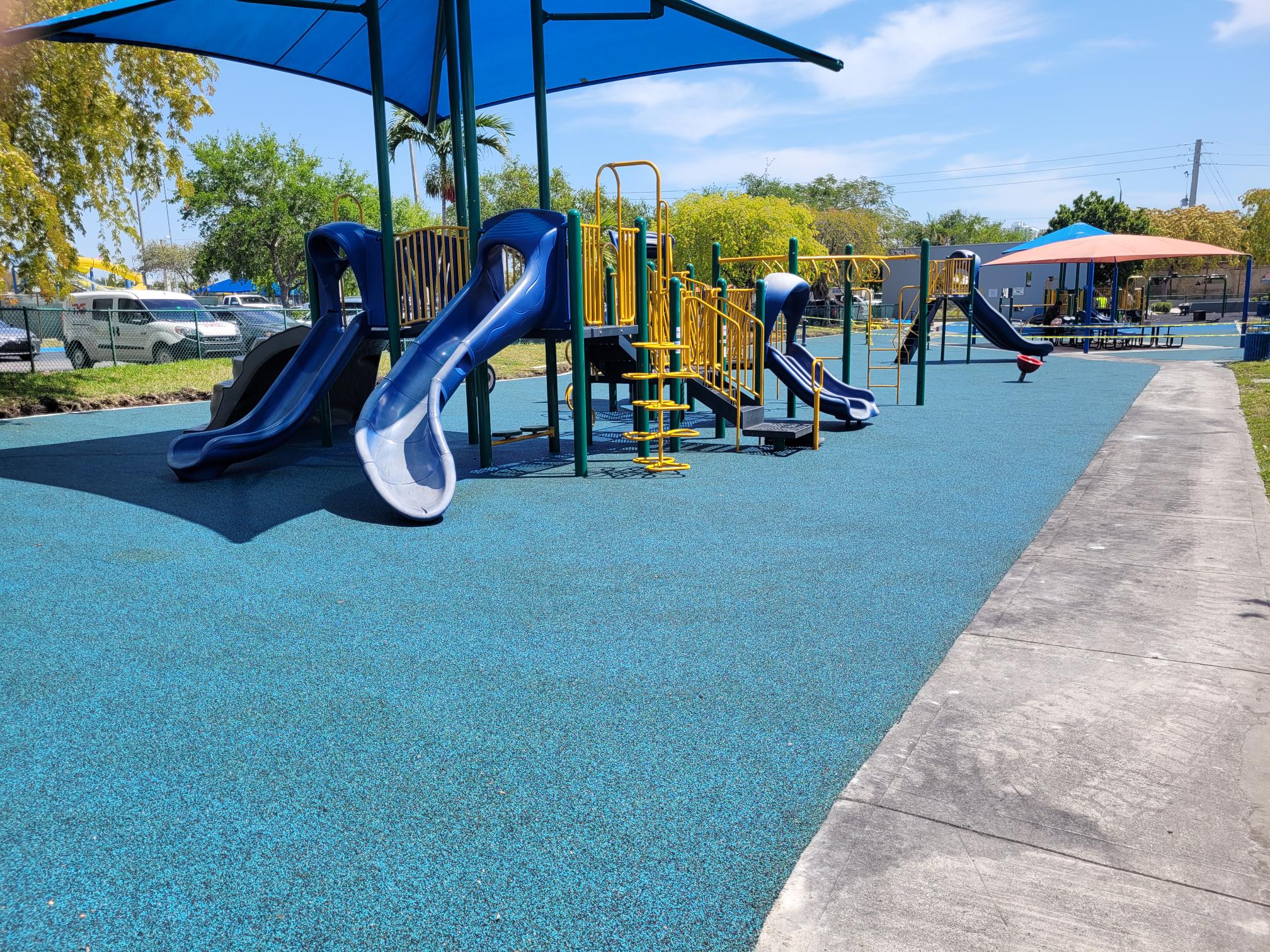
Poured in place rubber surfacing, otherwise known as wet pour rubber flooring, is an extremely popular option for outdoor playground flooring, daycares, schools, water-themed parks, and public parks. It has a long-lasting aesthetic appeal, unlimited design potential and can be built to a depth to make a safe surface area for kids to play.
Because of the unmatched combination of safety and design, consumers are curious about how much poured rubber playground surfaces can cost. There are a few concepts to think through to better understand how much it would cost for your unique situation.
Key Takeaways
- Poured-in-place rubber is a popular playground surfacing option for schools, daycares, parks, and water-themed play areas due to its safety performance and design flexibility.
- Site prep adds to the total cost — compacted aggregate runs $3–$6/sq ft and must be laid on a properly graded, flat surface.
- Two-layer system: A thick SBR base layer (depth varies by critical fall height, up to 10") provides impact absorption, while a half-inch EPDM wear layer delivers color, durability, and UV resistance.
- Average installed cost is approximately $10–$15 per square foot, depending on depth, colors, and bonding agent selected.
- Color choices affect price — EPDM color granules cost roughly 4x more than black SBR rubber, so blending the two is a common cost-saving strategy.
- Two bonding agent options: Aromatic (amber tint, more affordable, best for 50/50 mixes) and Aliphatic (clear, more expensive, preferred for lighter or solid-color wear layers).
- Regular maintenance extends surface life — repair kits and professional refresh coatings are available to protect your investment long-term.
Setting the Foundation for Your Future Playground?
.jpg?width=820&height=560&name=PIP_Marion%20School%20(6).jpg)
Poured in place rubber surfacing is traditionally poured over a layer of compacted aggregate. This aggregate can cost anywhere from $3-$6 per square foot and needs to be placed on a flat compacted surface. If your site is still an open field, it will need to be prepped by stripping the grass from the surface and flattening the ground. This process of creating a flat surface is called grading. Your playground contractor can do all the prep work for you, just contact them for a quote!
How Thick Would You Like the Poured in Place Rubber?
Poured in place rubber is made of two layers, the base layer, and the wear layer. The base layer is the thick, springy, rubber which makes the playground safe for children. It is created at a depth consistent with the critical fall height you have for the playground. Sometimes it could be up to 10 inches thick! The base layer is made from TPV rubber, which is rubber recycled from tires. The wear layer is normally less springy, but more stretchy. It’s more durable and made to withstand years of UV light, weather, and normal wear and tear.
The wear layer is normally half an inch thick and is made of EPDM (ethylene propylene diene monomer rubber), which are the colorful granules you see on most playgrounds. This isn’t recycled but instead made for the purpose of poured in place rubber playgrounds. The cost of poured in place rubber surfacing will correlate with the depth you want for the playground. The deeper you want the rubber surfacing, the higher the cost will be, but the safer the playground will ultimately be as well. The average cost of poured in place rubber is approximately $10-$15 per square foot, depending on the options selected.
What Color Combinations Do You Want?
%20-%202.png?width=800&height=800&name=RRS_Live%20Oak%20Park%2c%20Temple%20City%20CA_2025%20(web%20gallery)%20-%202.png)
The EPDM wear layer can be constructed of almost unlimited color combinations. Here at to turf, we take pride in the beautiful color combinations we can develop. You can measure the cost of poured-in-place rubber by what colors you want to use in your mixture.
Since Color granules are created specifically for use in the wear layer, they are almost 4 times more expensive than an alternate rubber. Most customers save money by mixing their desired color with black SBR rubber granules. SBR rubber is normally less porous than EPDM, but is cheaper and can help our customers cut cost in the long run.
Which Type of Bonding Agent Do You Want to Use?
There are two main types of glue that are used to bind the poured in place rubber, Aromatic and Aliphatic. Aromatic glue is normally cheaper and you can tell the difference in its amber color. It is a great option for a 50/50 mix color combination of rubber granules.
The only downside is the color may grow more amber over time as the surface interacts with the sun’s UV rays. The other option is Aliphatic, which is a clear, but more expensive bonding agent. We see our splash pad customers use it more in wear layers that consist of 100% lighter colors.
After you’ve purchased your playground surfacing, the easiest way to save money, in the long run, is to regularly maintain it. Here at Robertson Recreational Surfaces, we have a host of playground maintenance and repair services and products. We can either send you a DIY repair kit or can send a team of our members to apply a Refresh roll coat for preventative maintenance.
Request a Quote
Now that you’ve considered some of the important factors that contribute to the cost of wet pour rubber flooring, it’s time to get started! If you’re not convinced that pour in place rubber is the right choice, check out the playground surface cost comparison page to explore the other options that TotTurf has to offer.
Of course, the easiest way to learn how much pour-in-place rubber surfacing can cost is to contact us to get a quote! Our team of professionals look forward to helping you make your playground dreams a reality.
Frequently Asked Questions
If you missed answers to your questions in this blog, here are some frequently asked ones that might just help.
How much does poured-in-place rubber surfacing cost?
The average cost is approximately $10–$15 per square foot, though the final price depends on surface depth, color selections, bonding agent choice, and site preparation needs.
What is poured-in-place rubber made of?
It consists of two layers: a base layer made from recycled SBR (tire-derived) rubber that provides cushioning and fall protection, and a top wear layer made from EPDM rubber granules that delivers color and durability.
How deep does poured-in-place rubber need to be?
The depth of the base layer is determined by the critical fall height of the playground equipment. It can range from a few inches up to 10 inches or more for taller structures.
Does poured-in-place rubber meet safety standards?
Yes, the surface depth is engineered to meet critical fall height requirements, making it a compliant and widely used safety surfacing option for commercial playgrounds.
What colors are available for poured-in-place rubber?
The EPDM wear layer can be created in nearly unlimited color combinations. To manage costs, many customers blend their desired color with black SBR granules.
What is the difference between aromatic and aliphatic binders?
Aromatic binder is amber-colored and more affordable, making it a good choice for 50/50 color blends. Aliphatic binder is clear and more expensive, and is preferred when the wear layer uses 100% lighter or white colors to prevent yellowing over time.
Does the site need to be prepared before installation?
Yes, the surface must be flat and compacted, with a layer of aggregate base ($3–$6/sq ft). If the site is an open field, grading will be required to properly prepare it.
How do I maintain poured-in-place rubber surfacing?
Regular maintenance is key to extending the life of the surface. Options include DIY repair kits or professional services such as a refresh roll coat for preventative maintenance.

.jpg)